
The Netflix series Adolescence has struck a chord with contemporary audiences by offering a stark portrayal of the complexities of gender, masculinity, and the devastating consequences of misogynistic ideologies. The relevance of the series is undeniable, particularly as it explores the pervasive impact of social media on young minds.
“Storytelling is an incredibly powerful way to raise awareness and deepen understanding of complex issues like domestic abuse and gender-based violence,” says a representative at the Young Women’s Outreach and Prevention Agent at Glasgow Women’s Aid (GWA). “Adolescence sparked meaningful conversation about how we, as a society, can better support young men and collectively address misogyny.”
Incel and misogynistic content is more accessible than ever. Adolescence exposes how these ideologies infiltrate the lives of vulnerable (and regular) young men, shaping their beliefs and, in extreme cases, leading to tragic violence. The series serves as both a reflection of our current societal climate and a critical examination of how digital spaces can influence behaviour and mindset, especially among adolescents.
The series offers an insightful lens into the complex and often dangerous intersection of masculinity, loneliness, and the impact of online content. Through its portrayal of young boys grappling with societal pressures and the allure of misogynistic rhetoric, the series provides a chilling – yet necessary – exploration of how young people are being influenced by online ideologies, particularly those of the “manosphere” and figures like Andrew Tate.
The “red pill” concept, derived from the 1999 film The Matrix, is central to many misogynistic online communities, signifying a supposed awakening to the “truth” about gender dynamics. In contrast, the “blue pill” represents staying ignorant to the supposed reality, which is often portrayed as being complicit in the feminist agenda or simply accepting women as equals. The “red pill” ideology promotes the idea that men are inherently superior and that women are meant to serve them. This philosophy is reinforced by influencers and content creators who encourage young men to adopt this mindset, promising them that they will be “awakened” to a new, more powerful reality where they control their destinies and the women around them. Figures like Andrew Tate are prominent proponents of this philosophy, with a significant following of young men who embrace his toxic rhetoric.
What makes Adolescence relevant is its portrayal of how these ideologies lead to radicalisation. The series doesn’t just show the surface-level consequences of misogyny but delves deep into how it twists the minds of young men, convincing them that violence or control over women is a justified response to their feelings of rejection or frustration. The series expertly contrasts this mindset with the views held by those who justify Jamie’s actions, claiming that his violence was merely the reaction of a bullied, misunderstood boy who had been hurt too many times. This echoes a dangerous narrative seen in “incel” communities often excusing violence against women as a natural consequence of male suffering.
“It’s also important to recognise that male loneliness and emotional isolation are, in many ways, products of patriarchal systems. From a young age, boys are often taught that expressing vulnerability or emotion is a sign of weakness.” said the GWA.
This justification of violence is not new and can be seen across history and popular culture, reinforcing the importance of Adolescence in today’s discourse. Power, masculinity, and control are often glamorised, particularly in the treatment of women. Some men, particularly those who idolise dominant male figures, view this lifestyle as the epitome of success and power. They romanticise the idea of having multiple women, who are aware of their actions but remain submissive, never questioning their decisions.
Adolescence dismantles this toxic fantasy by presenting a more unsettling, real-world depiction of what happens when young men internalise these messages. The series forces viewers to confront the reality of how these mindsets manifest in today’s digital landscape, shaping the way young men perceive their relationships with women and, in extreme cases, leading them to justify violence.
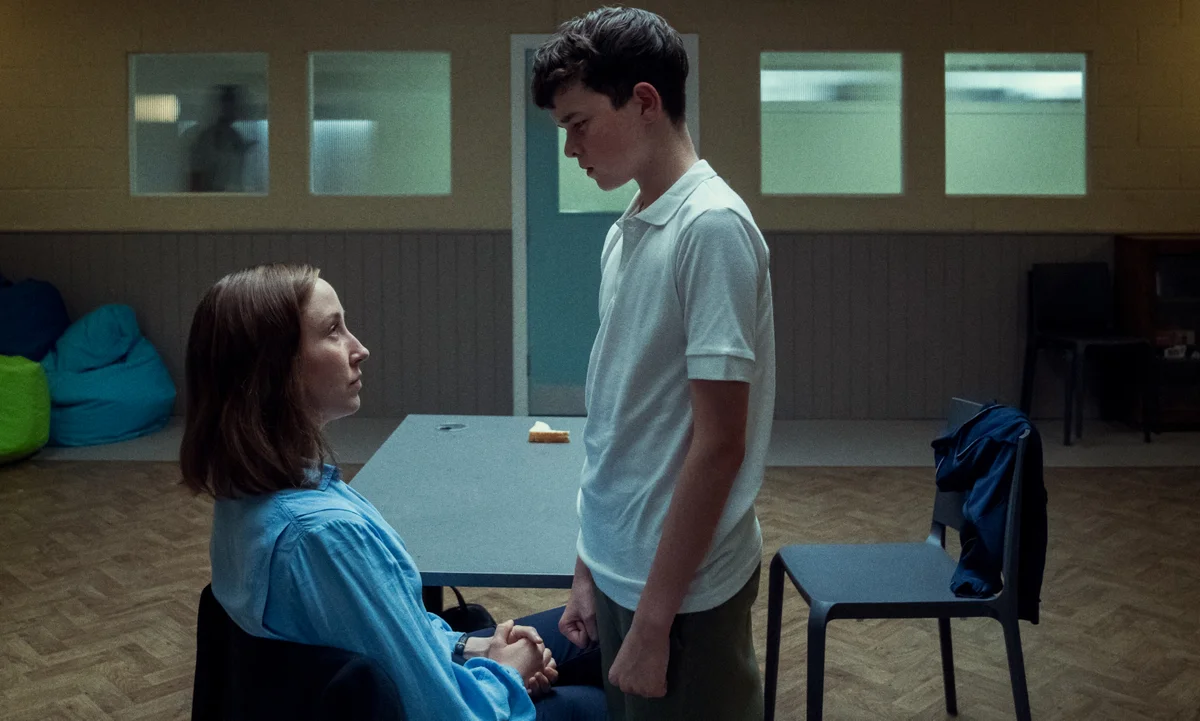
The series also highlights the dynamic between Jamie and his psychologist, showcasing an example of the subtle power plays that often go unnoticed. During a tense moment in their session, he towers over her, physically and metaphorically asserting dominance. Though she’s older and technically in charge, Jamie’s body language, leaning over her desk, casting a condescending gaze, signals that he believes he holds the power. This reflects how the manosphere teaches men to see themselves as superior to women, regardless of context or authority. This moment encapsulates the very ideas that are often reinforced in culture: misogyny is not just about physical violence; it is also about control, entitlement, and the ingrained belief that women should be submissive.
Crucially, Adolescence does not allow viewers to chalk Jamie’s behaviour up to circumstance alone. While societal influences such as family background and personal experience are often cited as explanations for violent behaviour, the series actively challenges this narrative. Jamie’s home life is not one of abuse or neglect, he was raised in a loving environment. Yet, despite this stability, he still chooses to kill.
This deliberate contrast highlights that Jamie’s actions are not the inevitable result of a broken home or troubled upbringing, but rather the outcome of choices he makes and ideologies he adopts. By doing so, Adolescence pushes back against the tendency to excuse male violence by blaming external factors, especially when it comes to young perpetrators. Instead, it makes clear that responsibility lies with the individual and with how they choose to interpret and act upon the messages they encounter.
“Many young people are still developing critical thinking skills and media literacy. Without the tools to question or contextualise what they’re seeing, they may accept harmful narratives as fact.” said GWA Agent
Adolescence also addresses the broader impact of these toxic beliefs, particularly on young girls. The series serves as a stark warning about the psychological toll misogyny takes on women who are forced to navigate a world where they are constantly objectified, disrespected, or even feared.
“Young women are feeling pressured to engage in violent acts disguised as intimacy,” she warns, “often without the language or support to express discomfort or refusal.”
While many pass off online misogyny as simple “harmless talk,” the consequences are far from trivial. The beliefs cultivated in digital spaces often manifest in real-world actions, with women and girls bearing the brunt of this deeply entrenched culture of male entitlement.
Adolescence offers a powerful, timely commentary on the dangers of unchecked misogyny and online radicalisation. It not only highlights the destructive impact of these ideologies on young men but also exposes the emotional toll they take on young girls, who are the primary victims of this mindset. It underscores the importance of addressing these issues head-on and taking responsibility for the content that is being shared and consumed online.
“Gender-based violence doesn’t stem from a single cause, it’s the result of systemic failure,” said the GWA agent. “We need to educate and support young people in understanding healthy relationships, developing media literacy, and challenging the misogyny that saturates so much of the content they engage with.”
The series urgently reminds us of the need for greater responsibility in the media and society as a whole. Social media and digital content are shaping the minds of future generations, and we must take steps to ensure that this influence is used for good. By drawing attention to the rise of misogyny and linking it to historical and real-world examples, Adolescence provides an essential conversation starter about the dangers of online radicalisation and its real-world consequences.
“This isn’t an alien, abstract issue,” she concludes. “It’s real, it’s close to home, and we all have a role to play in challenging it.“

Insta: @_.meeezz._
Leave a Reply