
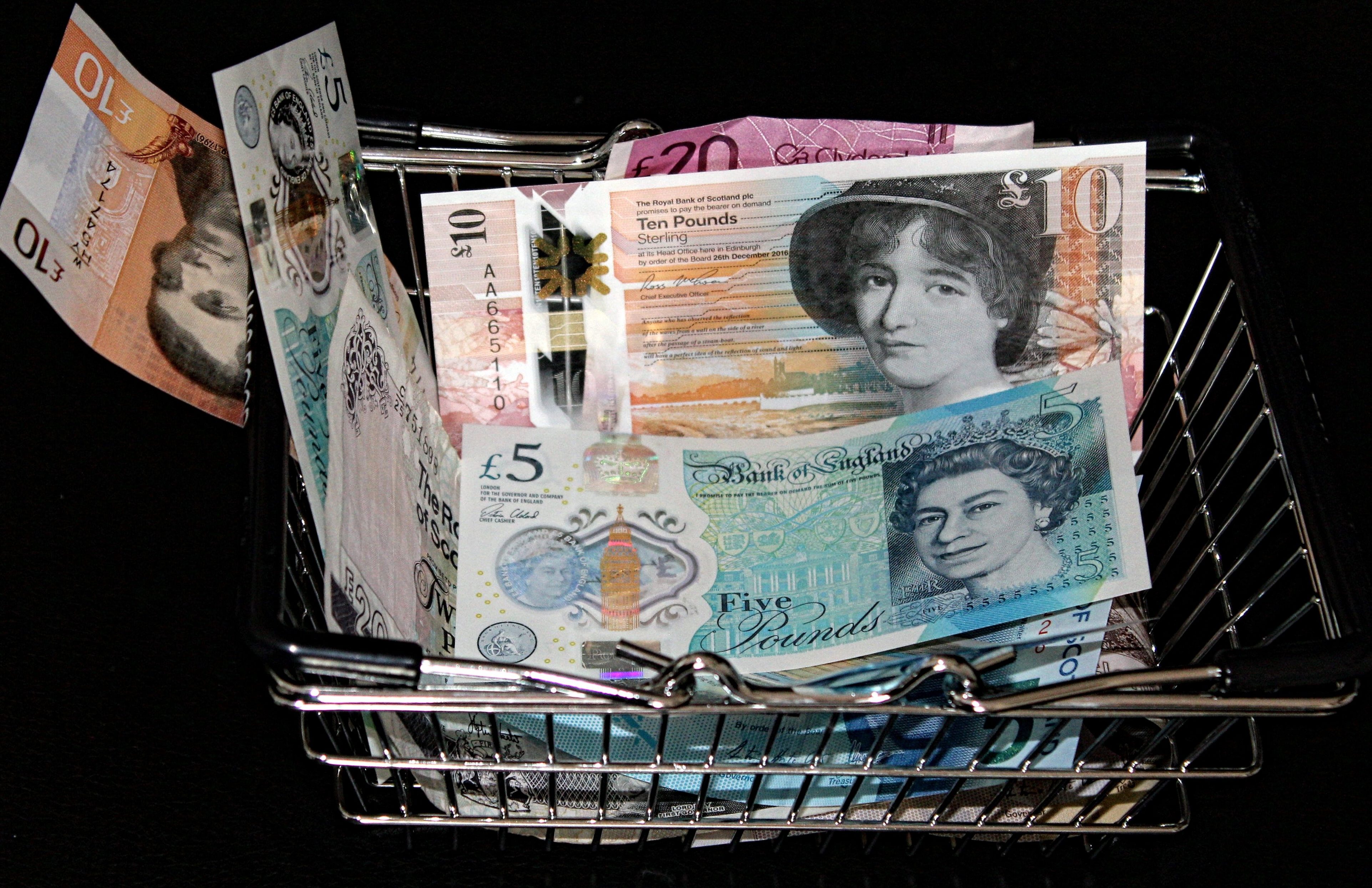
Image by Davie Bicker from Pixabay
Britain’s debt is now at its highest level since the 1950s, nearly £ 3 trillion. That’s almost 100% of the UK’s GDP. With interest rates on borrowing rising and 80% of borrowing used to pay interest on debt, it feels as if the government is borrowing from Peter to pay Paul. And that’s because it is.
Since the turn of the millennium, the UK’s national debt has increased from around 35% of Gross Domestic Product (GDP) to nearly 100%. GDP is the total market value of all final goods and services, measuring the health of a states’ economy. When compared to its debt obligations, we can glean, 100% is not good.
So why doesn’t the government try and get the national debt down before introducing huge new social services like Andy Burnham’s National Care Service or building new council homes?
In my view, part of the reason is political ego. They want to leave a mark on the system and make changes in their premiership. But this is typical short-term thinking that will not change the country in the long run. I suppose it’s become impossible to hold office for a long enough time to make lasting change through reform and fiscal discipline.
It is too important to remain popular with recycled ideas, toeing the party line and making good headlines. The most controversial prime minister in contemporary history, Margaret Thatcher, enacted wildly unpopular reforms and policies, but held power for 11 and a half years while bringing down the national debt from 43.6% of GDP to 26.7%, lowering interest rates and stabilising the pound.
But these policies have proved to be detrimental to the UK economy and even the longevity of the UK as a whole, with Nationalist parties threatening a complete break-up of Britain.
Since the Second World War, it does seem like a constant cycle of Labour governments spending and then Tories cutting. The sheer lack of imagination and innovation is a clear indicator of political disenfranchisement. But we must remember that the cutting of public services does not always mean bringing down the debt. Clement Attlee’s post-war government of 45 built the NHS, initiated the building of huge amounts of social housing, and the debt fell from the unprecedented high of 250%, with successive governments steadily bringing it down until the millennium.
But since then, with the crash of 2008 and COVID-19, we have been put in a place where recovery seems impossible. Imagine being in debt to the amount of your annual salary. And imagine the interest rates on that debt can change based on economic markers, completely outside of your control. That is what the UK now faces.
Neither the Tories nor Labour have been able to even stabilise the country’s economy. And with other untested parties now nipping at their heels, the future of the UK seems to be in uncertain hands.
Burnham’s care service could boost employment, while housebuilding would create jobs and provide homes. However, new developments also require infrastructure – such as supermarkets and transport – which often depends on uncertain private investment. Businesses may also seek public funding, increasing government expenditure.
Why should public investment depend so heavily on private companies whose priority is profit rather than service provision? Publicly owned supermarkets, or at least a public share of the returns generated by government investment, could offer a fairer alternative. Like the Co-op of yesteryear.
With globalisation and the shift from industrial capitalism to an information-based economy, we must recognise how heavily our economy relies on debt. Mortgages, private rents, car finance, phone contracts and online subscriptions mean that we increasingly lease rather than own. As a result, we cannot generate income by reselling these assets, while ownership remains concentrated in the hands of monopolies. Yet again, we are losing a passive income that we have given away for convenience.
And with government gilts (bonds) becoming increasingly unstable, and the huge debt burden incurred in the investment in AI, we must prepare ourselves for another global market crash. Similar to the mortgage bubble of 2008, industry experts and government regulators will sit in their ignorance or even indifference, while they yet again drain the world of its wealth and AI stock prices soar and when the bubble bursts, the taxpayer will yet again foot the bill.
Leave a Reply