
In 2014, Sophia Amoruso helped redefine mainstream feminism with the release of her autobiography, #Girlboss. Chronicling her journey as CEO of online clothing retailer Nasty Gal, the book became a staple of modern feminism, a how-to on climbing up the corporate ladder as a woman. Amoruso wasn’t the first to take this rise-and-grind approach – just one year prior, Facebook COO Sheryl Sandberg’s Lean In became a New York Times bestseller with its message that excuses won’t get women anywhere: they must be more ambitious, and put their best foot forward if they hope to succeed.
This image of the woman who is able to overcome gendered discrimination in the workplace with sheer hard work and determination was empowering for some, who let out a sigh of relief in finally seeing women represented in leadership roles. “Why should women not applaud other women when they work hard and step into positions of power and responsibility?” academic Victoria Macgrath wrote on her blog, InTheFrow.
That same individualistic, DIY ethos lives on today. Influencer Molly-Mae Hague went viral after her appearance on Diary of a CEO where she claimed that “we all have the same 24 hours in a day.” Becoming Creative Director of fast-fashion giant PrettyLittleThing at only 22 years old, Hague attributes her success to the age-old mantra that we can achieve anything if we put our minds to it (coincidently, her appearance on Love Island seems to hold little relevance). But isn’t it inspiring to finally see women find corporate success when long been withheld from them? If only it were that simple.
For every person who has found solace in these assertions, there are tens of thousands of women for whom the cracks began to show pretty quickly. “Girlboss “feminism” is not about dismantling systems, it’s about changing who is on top,” wrote one user online. “They like the status quo, as long as they get to be leaders,” wrote another. Crucially, key feminist issues like sexual harassment and unequal pay in the workplace appeared to be of little relevance to Girlbosses.
Critics also noted that the Girlboss archetype tended to look the same: white, middle-class, and able-bodied. Some denounced it as sexist, racist, and classist; others questioned the value it placed on corporate success altogether. By portraying the Girlboss as aspirational, the experiences of the vast majority of women for whom this ‘girlboss’ trajectory just isn’t feasible is silenced. For many, being a Girlboss isn’t something that can be achieved through hard work – only privilege.
From a political standpoint, the Girlboss movement is a small manifestation of a larger movement towards neoliberal ideals. Feminist scholar, Catherine Rottenberg argues that there has been an observable shift in feminist debates from topics such as liberation and social justice to ideas of individualism, balance, and responsibility. For her, this phenomenon marks the intertwining of neoliberal rhetoric and traditional feminist values. In telling readers that “As a #Girlboss, you take control and accept responsibility,” it appears Amoruso is rejecting the notion of collective action and solidarity that so much of feminism has based itself on.
Once in a position of authority, these so-called Girlbosses began to replicate the very power structures that once dominated them. Less than a year after the publication of Amoruso’s autobiography, Nasty Gal filed for bankruptcy amidst claims of a toxic work environment. With one employee filing a lawsuit against the company for illegally dismissing workers after becoming pregnant, it became clear that having women occupy senior roles doesn’t inherently make the workplace fairer if those women aren’t willing to confront the structures that limit their peers.
And so, the idea of the Girlboss became quickly dismissed in online spaces, remembered as nothing more than a millennial fantasy. These women never had any intentions of dismantling the sexist, capitalist, and exclusionary system – just expertly manipulating it to their advantage. If the millennial Girlboss refused to rock the boat, however, then Gen-Z were happy to sink it completely when they conceived the viral slogan ‘Gaslight, Gatekeep, Girlboss’, which mocks the toxicity inherent in rising through the ranks.
With all this criticism, it would be expected that a more collectivist approach – rooted not simply in the inclusion of some women, but liberation of all women – would emerge. But no. Before long, a new attitude to the sexist corporate landscape began to take form, one that may appear drastically different, but is equally sinister.
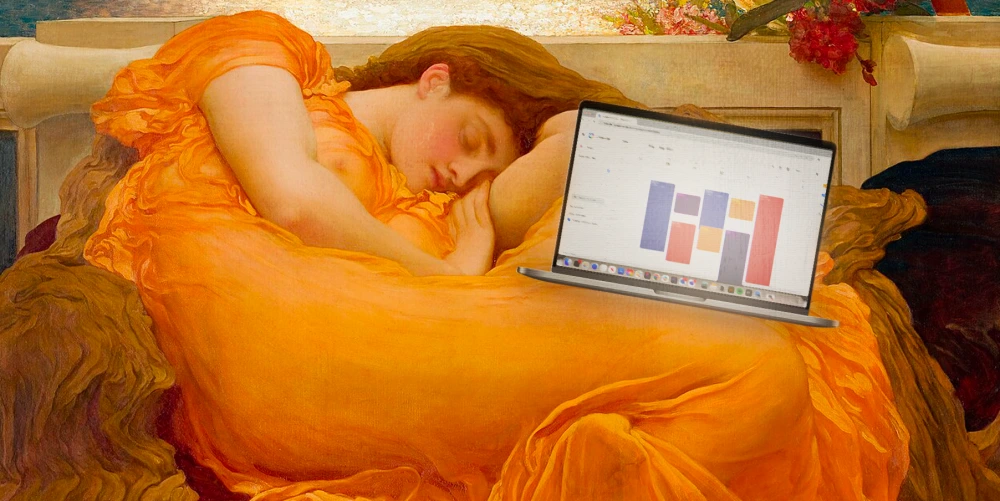
Ten years after #Girlboss, TikToker Gabrielle Judge, a self-proclaimed ‘Anti Work Girlboss’, (according to her bio) coined the term ‘Lazy Girl Job’ to describe a high-paying, low-stress job that is usually remote and allows employees to “quiet quit”. On the surface, these roles have appeal, leaving enough time for a healthy work-life balance and challenging what a job can and should be. Isn’t it radical that women are putting their foot down, refusing to work twice as hard for no reward? Isn’t this what feminists have always wanted? After all, The Guardian claims that its proponents are “beating capitalism at its own game.”
Judge’s conception of the ‘Lazy Girl Job’ gained traction overnight but quickly became misconstrued to the point where it only vaguely resembled the ‘feminist’ act that it once claimed to be. Other TikTok users began to post videos, which ranged anywhere from sharing tips on how to find jobs that involve minimal work, to expressing admiration that these jobs either “allow you to sit and be pretty” in the office or lay in your pyjamas and take lunchtime naps at home. With videos like this receiving over 20 million views, Kim Kardashian’s recent claim that “nobody wants to work these days” doesn’t seem so far-fetched.

This notion of these jobs as a cop-out for ‘real’ work caught on. Less than two weeks after her original video, Judge posted a new TikTok where she encouraged women to “cosplay being dumb at work” to absolve themselves from responsibility. Forget breaking the glass ceiling – these women were happy to remain sheltered from the woes of corporate life.
Against the backdrop of a cultural rollback and the rise of conservative content, from the resurgence of ‘tradwives’ glorifying domestic submission to the viral popularity of ‘girl math’, which paints women as ditzy and financially clueless, the ‘Lazy Girl Jobs’ trend feels less like empowerment and more like quiet resignation. Somewhere along the way, the radical notion that women don’t have to be anything was warped into something far more insidious: that women should aspire to be nothing at all.
Besides implying that women are unambitious, this kind of content attempts to depoliticise the struggles women face, once again emphasising individual choice and freedom. But how can this kind of behaviour be apolitical when women are flocking to it in the tens of thousands? Where feminists used to cry that ‘the personal is political’, Gen-Z insist that staying at home and avoiding the toxicity of the workplace is their choice, an empowering stance that allows them to take control of their own narrative. The truth is that more than anything, they are tiptoeing around the real problem where their predecessors were happy to step on others’ toes on their way to the top.
Once again, the question of who gets the chance to fill these roles becomes increasingly important. ‘Lazy Girl Jobs’, like Girlboss feminism, have been criticised for being largely inaccessible to most women. The roles commonly promoted online, namely marketing managers, data analysts, and finance assistants, often require a university degree and are extremely hard to come by. Scholars such as Ashlee Christoffersen and Akwugo Emejulu argue that in closed and often elitist environments like this, “the most powerful members of marginalised groups” often universalise their experiences, acting as a representative of the entire group. The danger, here, is that the ‘Lazy Girl Jobs’ movement centres the experiences of the most privileged women, leaving behind the very women who need their support the most. In taking a step to the side, these women are allowing these systems of oppression to continue to fester, out of sight, out of mind.
So where does this leave us? In rewriting the Girlboss philosophy for a new generation, Gen-Z has circled back to the same place, parroting the same neoliberal rhetoric they once swore to abandon. Rottenberg’s assertion that feminist politics must not only challenge neoliberalism but the “infrastructural apparatuses” that lead to such inequality in the first place remains crucial. Whether under the guise of running the world in a pink suit or overcoming capitalism in a pair of pyjamas from behind a computer screen, one thing is clear – these women aren’t solving the problem, they’re avoiding it.

Editor-in-Chief.
Fourth year English and Creative Writing and Politics and International Relations student.
Leave a Reply