
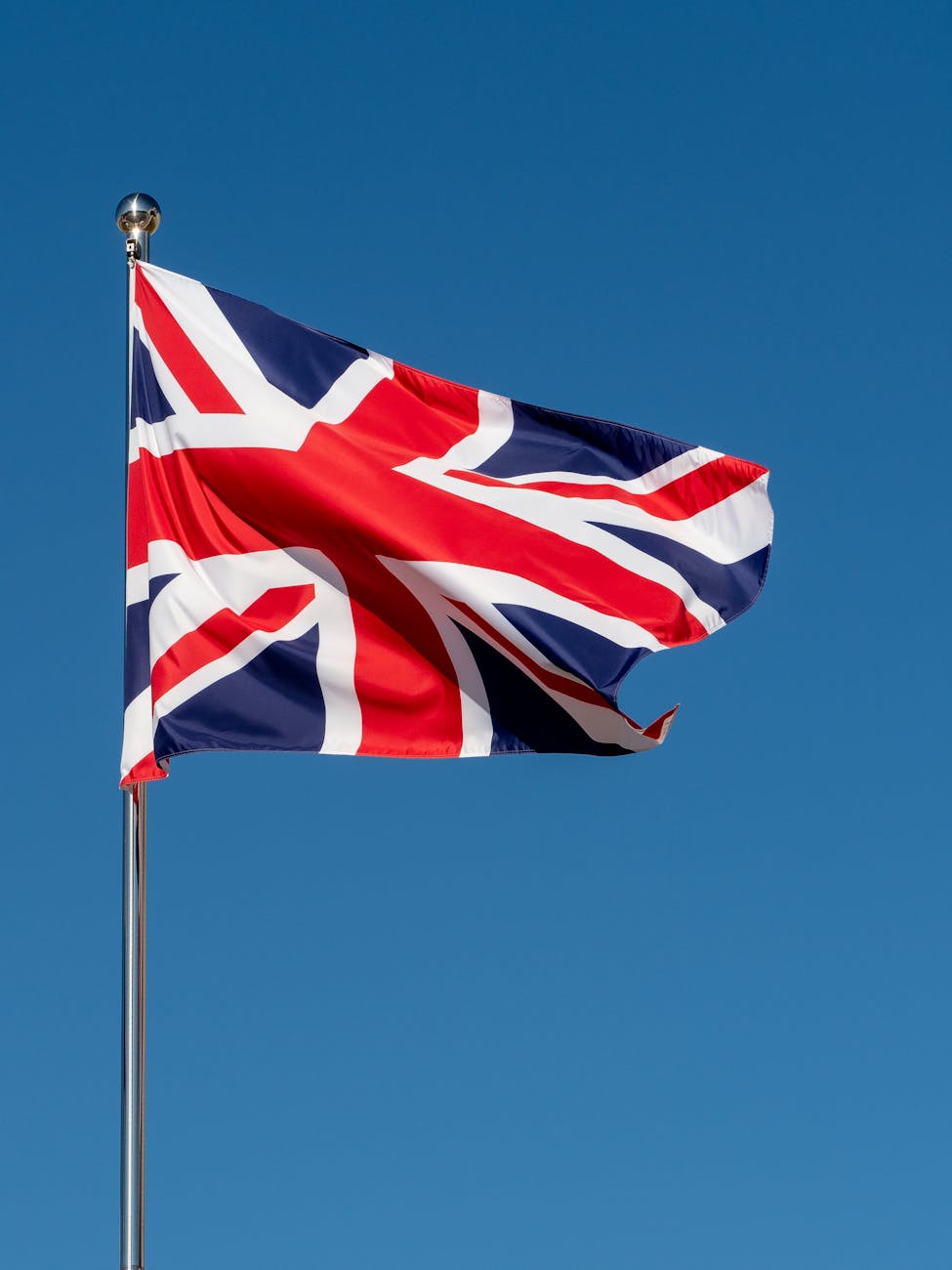
Keir Starmer has sparked recent debate after rejecting calls for the United Kingdom to pay reparations to Commonwealth nations who have suffered the ill-effects of the slave trade, following mounting pressure from leaders of Caribbean nations and some of his own backbenchers.
Whilst Starmer noted that the transatlantic trade was “abhorrent,” he said he is keen not to engage in “very long, endless discussions” about the past and would rather set his focus on the contemporary issues facing his new government.
The British Prime Minister insisted the issue would not be broached at a summit of 56 Commonwealth countries in late October, but there remained significant pressure from leaders to begin a “meaningful conversation” on the subject, with diplomats admitting they expect reparatory justice to be a central focus of the agenda at the next Commonwealth summit in two years’ time.
The trade saw Britain’s wealth and industry rise exponentially between the 16th and 19th century, with the exploitation and exportation of millions of African slaves. Citing generational trauma, significant economic disadvantages and underdevelopment in the centuries since the trade ended, many Commonwealth nations claim Britain must be subject to historical accountability.
Whilst this debate is not new, its current iteration follows renewed global momentum towards racial justice, with movements like Black Lives Matter bringing these issues to the forefront. This has led to some instances of recognition from institutions and families.
The University of Glasgow became one of the first UK universities to officially acknowledge its ties to slavery with a 2019 report outlining the financial donations they received from individuals with prominent roles in the slave trade. They have since launched their “reparative justice” initiative, pledging 20 million pounds to fund scholarships and create the Glasgow-Caribbean Centre for Development research. Other examples come from the University of Cambridge, the Church of England, and the National Trust.
So, should the British Government follow suit and if so, who should receive reparations and what form would they take? The Caribbean Community Reparations Commission, formed in 2013 by 15 Caribbean nations, has a 10-point plan for reparations outlined which asks for a formal apology, debt cancellation and investment in cultural and economic revitalization, and repatriation assistance for descendants who wish to return to Africa. Other calls come from individual countries like Jamaica and Barbados.
There are examples throughout history of reparations being paid. After the First World War, Germany was made to pay for the damage suffered by Britain and France, roughly 6.6 billion pounds. In 2013, the UK government agreed to pay 19.9 million pounds to more than 5,000 elderly Kenyans tortured by British Colonial forces following the Mau Mau uprising in the 1950s.
Opposition to reparations is somewhat widespread. British Prime Ministers consistently avoid making any commitments and during a 2015 visit to Jamaica PM David Cameron urged nations to “move on.” Historian Niall Ferguson agrees, arguing that the economic legacy of the trade is complex. Critics also cite the financial burden on taxpayers if reparations were to be paid and that people shouldn’t be responsible for the actions of their ancestors. They argue that whilst being a major player in the slave trade, Britain was also a driving force behind its abolition in 1833.
This issue remains prominent and will likely build up as time goes on. One way or another it must be addressed and a serious discussion about the payment of reparations must be had

I am a 4th year BA Hons Law and Politics & IR student from Glasgow. I have a keen interest in Geopolitics and worldwide current affairs, as well as sports including football, rugby, and golf.
Leave a Reply