
Following 27 years of negotiations between the EU and the South American Common Market, known as Mercosur, the 9th of January 2026 saw the EU Council greenlight the signature of the comprehensive partnership and trade agreement. The deal is set to create the world’s largest free trade area, covering 700 million people and a combined GDP of over $24 trillion.
In 2024, trade between the two blocs exceeded €111 billion. The EU’s top exports to Mercosur included machinery, chemicals, pharmaceuticals, and transportation equipment, while Mercosur’s largest exports to the EU were agricultural products, mineral products, and paper.
The deal will see the EU eliminate duties on 92% of Mercosur exports, and save around €4 billion from Mercosur tariff reductions, including the elimination of the 35% tariff on wine. Additionally, the agreement will protect 344 EU food and drink products with an official geographical indication from imitation.
Since 2014, the Council of the European Union has required a qualified majority of ministers to vote in favour of treaties. Article 16 of the Treaty on European Union sets these conditions as a majority of countries, defined as 55%, and a majority of the EU’s population, defined as 65%. A blocking minority was also established, representing a minimum of 35% of the EU’s population.
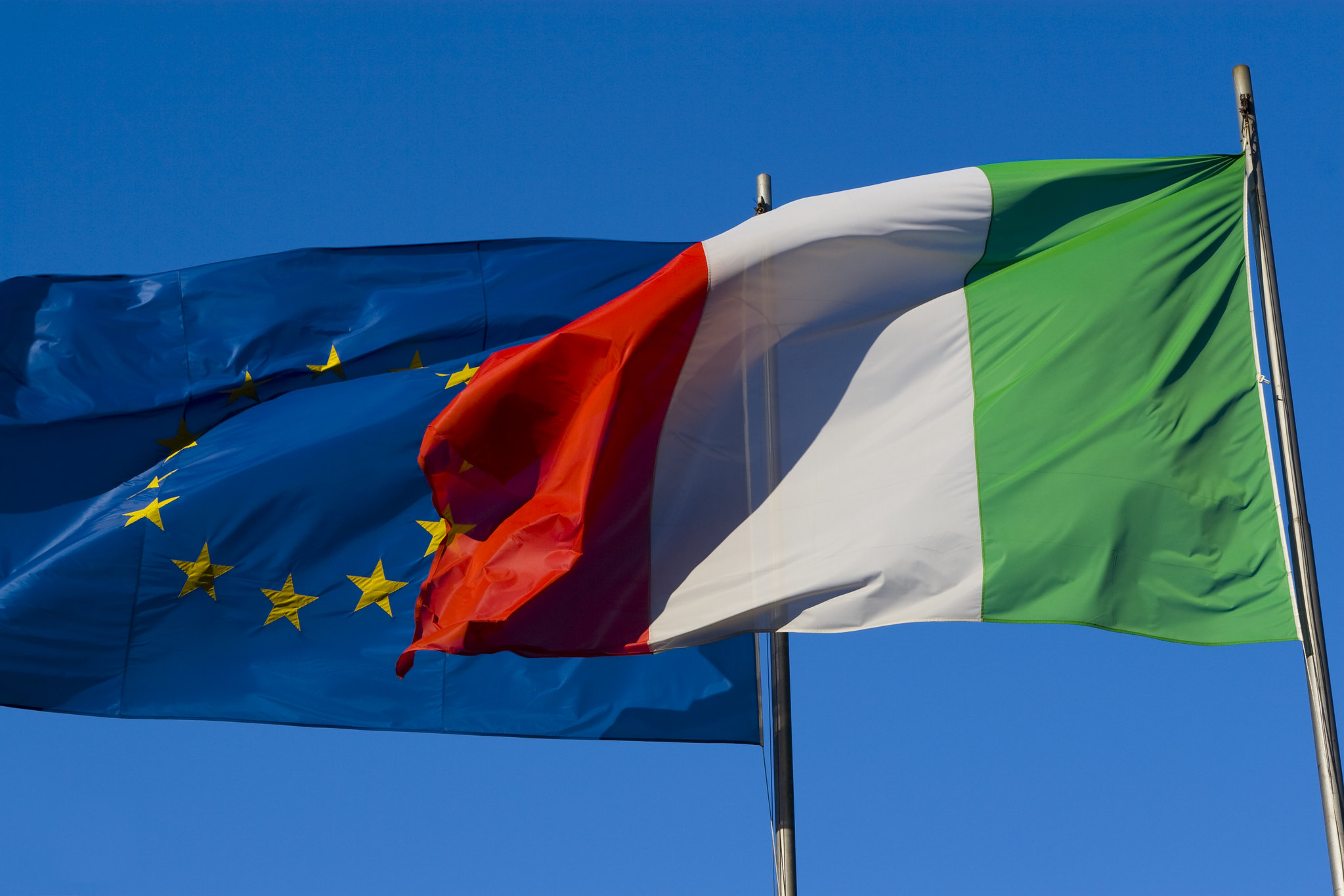
Initially, Italy looked likely to vote with the dissenting bloc, having already delayed the previous vote on the topic, which would have resulted in a blocking minority of 42% of the EU’s population. However, Italy’s representative voted in favour, while France, Poland, Austria, Ireland, and Hungary expressed opposition. The Belgian delegation abstained from the vote. This gave the Commission a qualified majority, allowing the treaty to now be voted on by the European Parliament.
When asked about Italy’s initial vote to delay the Council’s decision, Italian Prime Minister, Giorgia Meloni, stated that Rome needed more guarantees for Italian farmers. Farming concerns over a market deal between the two blocs arose due to fears that Brazilian beef would undercut European farmers. Concerns about being undercut by South American producers were shared by France, with over 350 tractors being driven into Paris on January 13 in protest of the treaty’s passage.
The change in Italy’s vote can be explained by both increased safeguards on agriculture and domestic pressure for the Italian government to accept the deal. The trade deal sets quotas on the quantity of beef that can enter the EU at a reduced tariff of 7.5% (down from 20%), at 99,000 tonnes, equating to approximately 0.6% of all Mercosur production according to EU statistics.
The Commission also committed to establishing a €6.3 billion fund to offset any potential negative impacts on EU farmers and agricultural markets. In addition, Italy recorded a net trade surplus of €1.4 billion with the Mercosur bloc in 2024. Barbara Cimmino, vice president for exports and investment attraction at Confindustria, stated that 13,000 Italian export companies would benefit from the treaty’s introduction of lower tariffs.
Within the same article, Confindustria highlights that the deal falling through could crush Italy as it navigates American tariffs and Chinese dominance in exports over domestic manufacturing.
Leave a Reply