
Written by Rosie Foulner
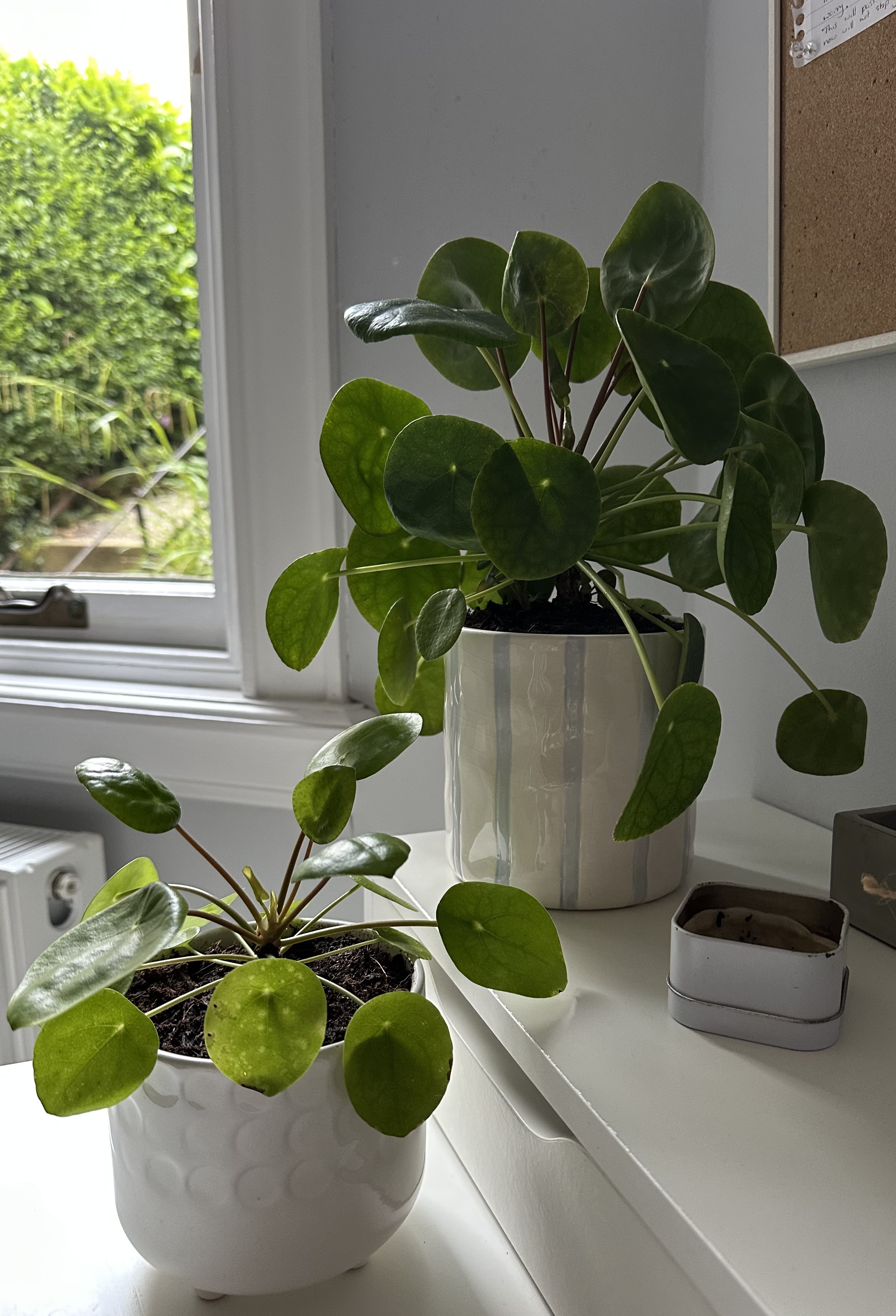
Before reading this article, a word of warning: once you become a successful plant owner there is no going back! What started with a wee Chinese Money Plant bought for £1.50 from B&Q, has turned into an obsession that has provided me with endless joy throughout my time at uni – not to mention a living room that now resembles more of a glasshouse at the Glasgow Botanic Gardens than a flat.
You may purchase a plant to inject a little life into an empty corner, but they are so much more than just their aesthetics. They can purify the air, moderate moisture levels and most importantly give you something positive to focus on amidst the busyness of uni life.
So, if you are thinking about owning a houseplant, here is everything you need to know.
Tip 1 – Select Your Spot
Before purchasing any plant, think about where you are going to put it. Different houseplants favour different conditions and if you don’t have the right light levels or temperature for the plant you choose, you will be met with disappointment a couple of months down the line when you find they haven’t thrived.

Most houseplants like bright indirect sunlight so windowsills are ideal, but if this isn’t possible just make sure the plant is close enough to a window that the light can reflect off of its leaves.
The average temperature of your room is often trickier to gauge and many plants will ask for temperatures to remain above a certain point at all times. I know all too well, however, that the uni budget doesn’t allow for endless heating to keep you (and your plants) warm, so don’t worry too much about this! While some plants are pretty high maintenance most are much more resilient than sellers make them out to be. My flat is by no means warm and I have found that Chinese Money Plants, Peace Lillies, Umbrella Plants and Blue Star Ferns have been perfectly happy.
Tip 2 – Start Small
If you are looking for something to add instant impact to a space, buying an established plant might seem like the way to go. Big plants are impressive but they are also expensive and – I would argue – far less rewarding. So, if you have the patience, I would recommend any first-time plant owner to start small. This approach is cheap and cheerful and means you can feel especially proud when your plant grows.
To keep you motivated, selecting fast growing plants is a must and Chinese Money Plants are great for this! Since buying mine it has never been without an incoming leaf and continually produces new plants – called Pups – at the base of its stem. This isn’t just reassuring that you are doing something right, but is also a great introduction into plant propagation!

Top Tip: These mini money plants make excellent gifts!
Tip 3 – Don’t Overwater!
This one may seem obvious but it can be difficult to avoid. My rule of thumb is to water your plants once a week, allowing them to dry out between waterings. Some plants prefer to have wetter soil than others, but allowing them swim in water is never advisable. If your plant is in a plastic pot with holes in the bottom, you may choose to “bottom water” to overcome this challenge. This involves sitting the plant in a shallow filled sink for an hour or so, allowing it to soak up as much water as it requires. Alternatively, you can top water plants, giving them small amounts of water at a time and allowing it to fully absorb before giving them anymore. As soon as the water starts to sit on the top of the soil and absorb more slowly, you know the plant has had enough to drink.
I would always recommend when watering plants to err on the side of caution; you can always give them more water but drying out sodden soil can be much more difficult. If you are worried your plants are dehydrated,check if the soil feels dry to the touch before giving them a drink.
Top Tip – If the soil is moist but your plants leaves appear dry, this could be due to a lack of humidity in the air. Use a damp cloth to wipe the leaves or spray water on the plant using a spray bottle. You should notice the plant perking up in a couple of days.
I believe the most important thing to remember is that plants, like people, are unique! They each have their own specific needs and if you take the time understand and care for them, they will give you so much in return. I wish you the best of luck as you embark on your first steps into plant parenthood!

Leave a Reply