
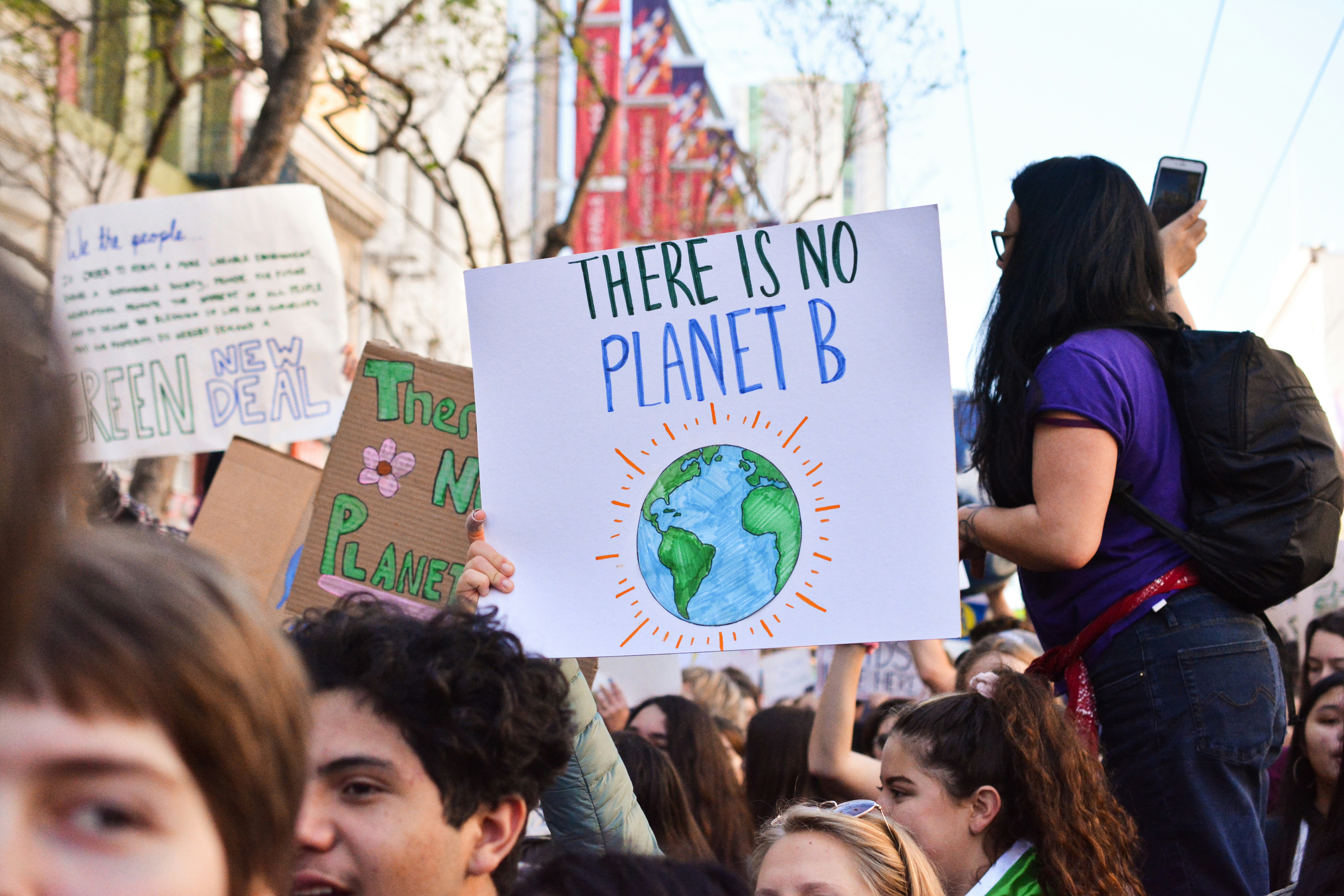
Climate concern does not automatically translate into climate anxiety. Concern becomes anxiety primarily when individuals feel unable to influence outcomes or trust that action is being taken.
Recent research shows that around 25 percent of people in Scotland report that distress about climate change affects their mental well-being. More than 50 percent of the population worry about climate change.
This worry is even more pronounced among young Scots, with polls suggesting that over 60% worry about climate change and its impact on their future.
However, experts are clear on one point: climate anxiety, when acknowledged and supported, can become a constructive emotional response rather than a harmful one.
Scotland is already experiencing the effects of climate change — from flooding and erosion to extreme weather — but it is also a country with strong community networks, world-leading renewable resources and growing recognition that well-being must sit alongside climate policy.
From overwhelm to agency
Psychologists find that anxiety worsens when people feel responsibility without control. Therefore, turning worry into action, even at a modest scale, matters. Limiting constant exposure to distressing news, choosing trusted sources, and seeking out solution-focused information helps prevent a sense of overwhelm.
It is through participation, not perfection, that one can reduce anxiety. In Scotland, this might mean joining a local repair cafe, community growing space, or volunteering for projects and initiatives. People who feel involved report greater confidence and lower stress, even when challenges remain.
Volunteering opportunities in Scotland
- The Conservation Volunteers (TCV) Scotland
- NatureScot (Make Your Mark Portal)
- Scottish Communities Climate Action Network (SCCAN)
- Volunteering Matters (Action Earth)
- Scotland’s Environment Web
Climate anxiety thrives in isolation. Community reduces fear.
Across Scotland, community-led climate initiatives are quietly improving both resilience and well-being. From community owned renewable energy schemes in the Highlands to local action flood groups in other areas of the country, working in cohesion with shared knowledge helps people move from fear to preparedness— a known protective factor for mental health.
Self-Care: Sustaining emotions
Thoughtful self-care is not about disengaging from the issue, but it is about staying emotionally sustainable. Spending time outdoors supports mental health — but it helps most when it is experienced as a place of grounding, not constant reminder of loss. In Scotland, regular contact with green spaces — walking, cycling, gardening or simply sitting outside — has been shown to improve mood and reduce stress.
Allow space for mixed emotions as climate concern does not require constant optimism.
Feeling hopeful one day and worried the next is normal. Mental health professionals emphasise that accepting mental health fluctuation — rather than fighting it — reduces longterm anxiety.
Concern, care, frustration and hope can coexist without cancelling each other out.
Resources if climate anxiety is affecting you
- NHS 24 – Call 111 for urgent mental health support or advice
- Breathing Space Scotland – Free, confidential support by phone on 0800838587
- Samaritans (Scotland) – 116123, 24/7 support for anyone struggling
- Mind Scotland – Practical guidance on anxiety, stress, and coping strategies
- ClimateXchange – Research and evidence on climate change and wellbeing in Scotland
- Young Scot – Mental health and climate well-being resources for young people
Hope does not come from denying the scale of the climate challenge. It comes from capacity.
Scotland has high public awareness, strong traditions of collective action, and growing recognition that climate responses must be fair, local, and human-centered.
Climate anxiety is not a threat to progress but evidence of care — for nature, for community and for future generations. When that care is met with agency, connection and leadership, it becomes a source of resilience.

Hi, I Rashmii Sharma (she/her). I am thrilled to contribute to the Strathclyde Telegraph as a sustainability writer. I am also the founder and President of the Sustainability Society (SITY) at the Strath Union. You can become a member of the society for free and follow us on Instagram @strathsustainability. When I am not digging up policies or interviewing eco-innovators, I love trying hands at complicated recipes and capturing the scenic beauty of Scotland.
Leave a Reply