
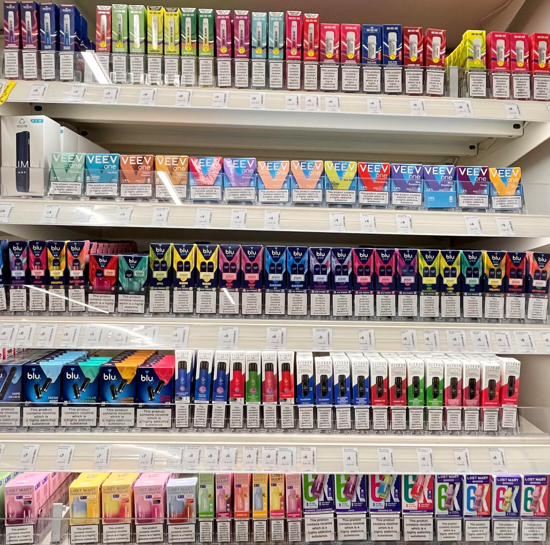
“Good things come in small packages,” the saying goes — but tiny, single-use, disposable vapes are an exception. Despite their size, these pocket-sized devices are one of the fastest-growing streams of electronic waste in the UK, with millions thrown away every week. The data around this e-waste compelled the UK Government, with the backing of the Scottish Government, to enforce a ban on the sale and supply of single-use vapes from June 2025. This move was aimed at tackling two big challenges in the UK — addiction to vaping among the youth and growing environmental damage.
From Pockets to Pavements
Disposable vapes are an environmental nuisance because of how they are made. Each device combines plastic packaging, electronic circuitry and a built-in lithium-ion battery — the same technology used in laptops and phones — sealed into a product designed to be thrown away. That they are made of mixed materials and might possibly leak chemicals, making them difficult to recycle.
According to data published by the Scottish Government in 2025, 74.3% adolescents who tried vaping said their first vape was given to them by someone they knew (66.1% by a friend and 8.2% by a relative).
Curiosity was the biggest motivation among adolescents for trying vapes, according to the data collected in the ASH SmokeFree GB Youth Survey 2025. Over a third of users said they “just wanted to give it a try” as their reason for vaping. Beyond curiosity, social dynamics also play a powerful role, with 16.4% citing peer influence as a key reason for giving vaping a try. The colourful range of flavours available adds to its attraction, drawing in 11.7% of users, while a smaller yet meaningful proportion (5.8%) were motivated by the idea that vaping is fashionable or “cool”.
Alternatives?
From a sustainable perspective, vaping sits in an uncomfortable grey area. Vapes rely on all resource-intensive materials with environmental impacts at every stage, from extraction to disposal.
However, not all vapes are equally damaging.
Reusable alternatives — such as rechargeable or refillable vape devices — reduce waste by keeping the battery and electronics in use for months or years rather than days.
The ban on single-use vapes is not about demonising users or eliminating harm-reduction tools overnight. It is about recognising the products that no longer fit with Scotland’s environmental and societal ambitions. Through the tobacco and vaping framework, Scotland’s vision is to become tobacco-free by 2034 and keep smoking rates below 5% across the population. For consumers, the message is simple but powerful. See these regulations as opportunities to steer behaviours and markets towards better outcomes.
- Choose refillable or rechargeable alternatives
- Return used devices through recycling or take-back schemes
- Support retailers or brands that design for longevity
- Continue to cut single-use plastics and electronics
These everyday choices reinforce Scotland’s ambition to move towards a cleaner, safer, circular economy.
A cleaner future will not be built by policy alone. It also depends on consumers recognising that sustainability begins not just with what we buy, but with what we refuse to throw away.

Hi, I Rashmii Sharma (she/her). I am thrilled to contribute to the Strathclyde Telegraph as a sustainability writer. I am also the founder and President of the Sustainability Society (SITY) at the Strath Union. You can become a member of the society for free and follow us on Instagram @strathsustainability. When I am not digging up policies or interviewing eco-innovators, I love trying hands at complicated recipes and capturing the scenic beauty of Scotland.
Leave a Reply