
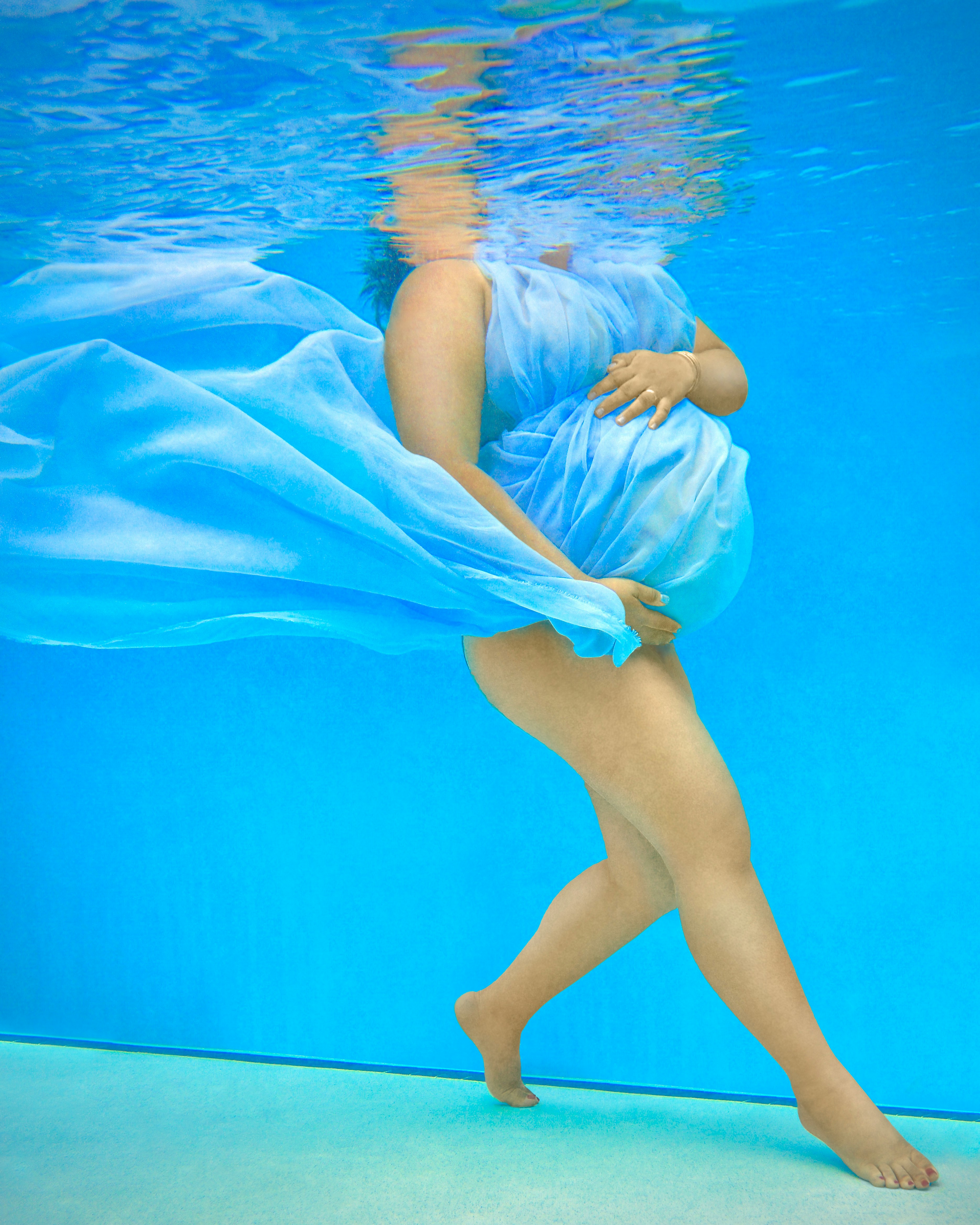
Maternity clothes have always been on the polarising end of fashion. To be pregnant and look modish has always been a struggle for women. A changing body during pregnancy is normal, but finding clothes that fit and look good cannot be harder. The average maternity dress is not only visually unappealing, but also expensive and nonfunctional. And in 2025, it is safe to say that maternity clothes are just, not cool.
Singer Rihanna cemented this by giving maternity wear a ‘rebrand’. Ever since she announced her pregnancy in late January of last year, Rihanna has opted for bold looks, choosing to bare her naked belly at every opportunity. Not one maternity dress or even denim was worn, with Rihanna instead stacked with lavish tops and jewellery from high-profile designers. It is the first in terms of a public pregnancy and the general admiration is understandable. The looks are fearless and distinct, offering the flair you would not find from maternity clothes at your local store. Rihanna has also broken the stereotype of traditional maternity looks that are demure and maternal.
The outfits are great inspiration to expecting mothers. However, the average expecting mother is not a celebrity. According to the United States Census Bureau, mothers who continue to work, earn an average of $1,861 in the first quarter after birth relative to earnings pre-pregnancy or in early pregnancy. Hence, she cannot afford to wear Louis Vuitton outfits that are, while of impeccable design, are incredibly impractical for her daily life. She also does not want to wear the drab maternity clothes at her local department store. So, what does she wear?
Historically, the purpose of maternity wear was not only to help women acclimate to their changing bodies but to also conceal any sign of the pregnant belly. Maternity wear was not meant to celebrate the coming of new life but rather preserve the sex appeal of women even as their bodies change. Hence, traditional maternity fashion was very limited.
During the Middle Ages in Europe, women were mostly wearing full, velvet gowns that would hide pregnancy and work as maternity wear. It was not until the 14th century, that maternity wear began to follow the female form with design implements to support pregnant women. The mid-1800s would introduce specially designed corsets called ‘maternity stays’, which would adjust to a growing belly while also providing extra back support. Thanks to this invention and the high waist trend, mothers would continue to wear the same type of dresses they did before they were pregnant.
However, corsets would come to an end in the 19th century, as the first ready-to-wear maternity dresses appeared in the United States. The trends would shift. Loose fitting, flowy dresses, button-up tops and pants were popular in the 1920s-1980s, focusing on a conservative style that would hide the belly. Eventually, the more modern, revealing maternity styles appeared in 1990s, like maternity denim and crop tops, when women began to celebrate their pregnancy without discomfort or hiding their baby bump.
The 90s-era styles remain the norm for maternity wear, especially at stores like Walmart or Kohls. These collections are affordable, especially the ones at Destination Maternity – the world’s largest maternity business. The clothing is made for comfort, with extra support for posture. Suddenly, there’s a large ostracization between maternity wear and the rest of the fashion. The clothes are boring, and as described by Stephie Grob Plante, are “as if they were back shopping in a department store’s basement.” Many stores like Gap and Old Navy have moved their maternity wear to online only, which causes accessibility issues for expecting mothers.
The clothing is often nonfunctional. Pregnant women gain weight from before 12 weeks, but maternity wear is directed at women whose size is about 7 months along. Hence, pregnant women cannot fit into their original clothes or the ones they bought for their pregnancy. The limited range comes along with expensive prices, with the average pregnant woman spending $700 on maternity wear. Since these clothes are only worn for 16 weeks, into the pregnancy until five weeks postpartum, many people view maternity clothes as fast fashion.
The evolution of maternity wear shows how a woman’s expanding body was not publicly accepted for a long period of time. In this current era, chic maternity fashion should already be present, to serve as a reason for mothers to love their bodies more, encouraging body positivity and confidence. It also enforces that a pregnant woman does not have to dress like a maternal figure if she does not want to. Modernised maternity material would be stylish, supportive, affordable and flexible, catering to a woman before and after pregnancy. Designers should create quality products that are multi-purpose, reflecting the woman of the present generation, a working woman who’s on the go. There’s an incredible number of trends to look back on and learn from, both good and bad.
Maternity brand Hatch’s founder Ariane Goldman puts it best: “Fashion doesn’t want to acknowledge women with changing figures,” she tells Elle: “What I’m trying to do is defy the perception that this is a dreaded year of your life where you’re not allowed to look good. I’m trying to make it sexy and okay and lovely and interesting because that’s what it is. How cool is it? You’re having a baby!”

Final year journalism + politics student at Strathclyde. Culture Editor 24/25
Leave a Reply